Shimmer Loading Effects: Complete Guide to Better UX & Implementation

Learn how shimmer loading effects reduce perceived wait times by 30%+. Step-by-step implementation for React, Flutter, React Native & more. Improve your app's UX today!
Have you ever noticed those sleek, glowing placeholders that slide across your screen while content loads on apps like Facebook, LinkedIn, or Netflix? That's not just fancy design — that's a shimmer loading effect, and it's quietly revolutionizing how users experience your applications.
If you're still using old-school spinners or progress bars, you're missing out on one of the most effective UX improvements in modern development. Shimmer effects do more than just indicate loading — they keep users engaged, reduce perceived wait times, and prepare users for what's coming next.
Let's dive into why shimmer effects are taking over and how you can implement them across different platforms.
What Exactly Is a Shimmer Effect?
At its core, a shimmer effect is an animated gradient applied to placeholder elements that mimic the layout of your actual content. Instead of showing a blank screen or a spinning wheel, you show a "skeleton" version of your UI with a subtle shimmering animation moving across it.
Think of it like this: if traditional loading indicators say "please wait," shimmer effects say "the content is coming — stay with me".
The technical magic happens through a combination of:
Placeholder elements shaped like your actual content (cards, text lines, circles for avatars)
A gradient animation that creates the shimmering movement
Animation control to manage speed, direction, and timing
Why Shimmer Beats Traditional Loading Indicators
1. Psychological Advantage
Shimmer effects trick the brain into perceiving shorter wait times. The animation provides constant visual feedback, making users feel like progress is being made. Static spinners, in contrast, can make even short waits feel longer.
2. Cognitive Load Reduction
By showing the skeleton of your content layout, shimmer effects prepare users for what's coming. When the actual content loads, there's no jarring layout shift — users already know where to look for different types of information.
3. Aesthetic Superiority
Let's be honest — shimmer effects just look more polished and modern. They signal that you care about design details and user experience. In a crowded app marketplace, these small touches matter.
Major platforms have already embraced this:
Facebook uses shimmer for posts, comments, and stories
LinkedIn implements it for profiles and articles
Netflix shows shimmer while loading movie catalogs
YouTube, Swiggy, and Zomato use it on their landing pages
Implementing Shimmer Effects Across Platforms
For React Developers
You've got options depending on your needs:
Pure CSS Approach (Lightweight and customizable)
css
.shimmer {
  background: linear-gradient(to right, #f6f7f8 0%, #edeef1 20%, #f6f7f8 40%, #f6f7f8 100%);
  background-size: 1000px 100%;
  animation: shimmer 1.5s infinite linear;
}

@keyframes shimmer {
  0% { background-position: -1000px 0; }
  100% { background-position: 1000px 0; }
}
Wrap this around placeholder elements shaped like your content.
Library Approach (Faster implementation)
react-loading-skeletonfor simple, customizable skeletonsreact-content-loaderfor pixel-perfect, SVG-based loaders that exactly mimic complex layouts
For Flutter Developers
The Flutter documentation provides an excellent cookbook for implementing shimmer effects. The key is using ShaderMask widgets with linear gradients that you animate across your placeholder shapes.
For real-world implementation, many developers use the shimmer package to wrap widgets that should display the effect while loading.
For React Native Developers
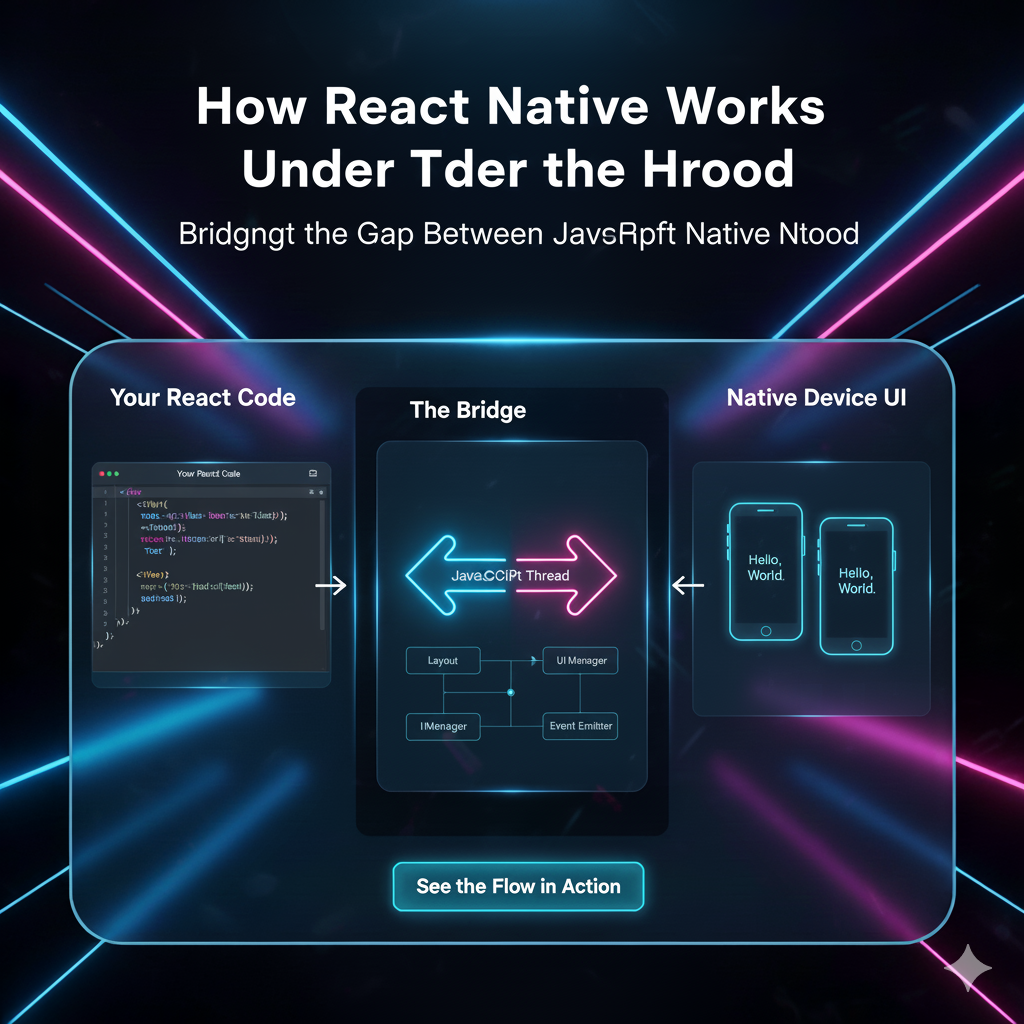
Check out react-native-fast-shimmer — a performant, cross-platform library built with react-native-reanimated to ensure smooth animations that don't block your UI thread.
For Android Developers
Facebook provides a Shimmer library that makes implementation straightforward:
Add the dependency:
implementation 'com.facebook.shimmer:shimmer:0.5.0'Wrap your placeholder layout in
ShimmerFrameLayoutControl it with
startShimmer()andstopShimmer()based on loading state
For Jetpack Compose
Create a custom modifier that uses Brush.linearGradient with an animated offset to create the shimmering effect across your placeholder shapes.
Best Practices for Shimmer Implementation
Match Your Actual Layout — Your shimmer placeholders should closely resemble your real content's shape and structure. This prevents visual shock when content loads.
Keep Animation Subtle — The shimmer should be noticeable but not distracting. Avoid overly bright colors or fast animations that might annoy users.
Don't Shimmer Forever — Always replace shimmer with real data as soon as it's available. Consider implementing timeout logic to handle failed requests gracefully.
Optimize for Different Screens — Use media queries or responsive design principles to ensure your shimmer layouts look good on mobile, tablet, and desktop.
Consider Performance — For complex interfaces with many shimmering elements, ensure your implementation is performant. Libraries like
react-native-fast-shimmeruse shared animated values to synchronize multiple shimmers efficiently.Accessibility Matters — Ensure your shimmer implementation doesn't interfere with screen readers. Use appropriate ARIA attributes for web implementations.
Real-World Use Cases Beyond Social Media
While Facebook popularized shimmer effects, they're useful across industries:
E-commerce: Product cards, category filters, search results
Financial Apps: Dashboard metrics, transaction lists, charts
News & Content Platforms: Article previews, video thumbnails, sidebars
SaaS Products: Data tables, report generators, admin panels
Travel Apps: Search results, booking forms, itinerary views
Common Implementation Pitfalls to Avoid
The Mismatched Layout — When your shimmer placeholders don't match your actual content dimensions, users experience a jarring layout shift. Always test with real content to ensure alignment.
Over-Engineering — You don't always need a complex library. For simple interfaces, a pure CSS/HTML implementation might be lighter and equally effective.
Ignoring Dark Mode — Your shimmer colors should adapt to different themes. What looks subtle on a light background might be glaring on dark mode.
Forgetting the Loading State — Always have a clear boolean (like isLoading) that controls when to show shimmer versus real content. This seems obvious, but it's a common oversight in implementation.
FAQ: Your Shimmer Questions Answered
Q: Are shimmer effects just for looks, or do they have real UX benefits?
A: They offer tangible benefits! Studies show they reduce perceived load times by up to 30% and decrease bounce rates during loading periods.
Q: How do shimmer effects impact performance?
A: Well-implemented shimmer effects have minimal performance impact. Using CSS animations or optimized libraries keeps them efficient. Problems only arise with poorly optimized implementations.
Q: Can shimmer effects be accessible?
A: Yes! Ensure proper contrast ratios, don't rely solely on animation to convey information, and use appropriate ARIA labels for screen readers.
Q: Should I use shimmer for every loading state?
A: Not necessarily. Brief loads (under 0.5 seconds) might not need them. Use shimmer for loading states that are noticeable enough to potentially frustrate users.
Q: How do I test shimmer implementations?
A: Test across devices, network speeds (simulate slow 3G), and different content scenarios. Ensure the transition from shimmer to content is smooth.
Building Professional Skills for Modern UI Development
Implementing advanced UI patterns like shimmer effects is just one aspect of modern software development. To truly master these skills and build production-ready applications, you need comprehensive training in full-stack development.
That's where professional software development courses come in. To learn professional software development courses such as Python Programming, Full Stack Development, and MERN Stack, visit and enroll today at codercrafter.in. These programs don't just teach syntax — they show you how to implement modern UX patterns like shimmer effects within complete, scalable applications.
The institute's curriculum covers everything from backend API development (which determines what loads and when) to frontend implementation of loading states and animations. You'll learn not just how to implement shimmer effects, but when to use them and how to integrate them with your application's data layer.
Conclusion: The Future of Loading States
Shimmer effects represent a shift from merely indicating loading to enhancing the waiting experience itself. As users become more sophisticated and expectations for seamless experiences grow, these subtle UI enhancements become increasingly important.
The implementation is surprisingly straightforward once you understand the core concepts. Whether you choose a library or build your own solution, the key is keeping the user's psychological experience at the forefront of your design decisions.
Remember: every loading state is an opportunity to either frustrate or delight your users. Shimmer effects help ensure you're doing the latter.
Ready to implement shimmer effects in your projects? Start with the simple CSS approach for web applications, or explore the platform-specific libraries mentioned above. Your users will thank you for the polished, professional experience.