Build a WhatsApp UI Clone: A 2025 Developer's Guide with React, Angular & More

Step-by-step guide to building a WhatsApp UI clone. Learn to use React, Angular, React Native, or Jetpack Compose for a portfolio-ready chat app. Includes real-time features, dark mode & best practices.
Ever stared at your favorite app and wondered, "How is this built?" For millions of developers, WhatsApp's clean, familiar interface has become the ultimate frontend challenge. Building a WhatsApp UI clone isn't just about copying a design—it's a masterclass in modern web and mobile development, teaching you everything from responsive layouts to real-time state management.
In this guide, we’ll break down exactly how to create your own functional, polished WhatsApp interface, the tools you need, and why this project is a golden ticket for your developer portfolio.
Why Build a WhatsApp Clone? More Than Just a Chat App
Before we dive into code, let's talk about the "why." Recreating a massively popular app like WhatsApp is one of the most effective ways to level up your skills. Here’s why it’s a killer project idea:
The Ultimate Full-Stack Test: A chat app touches every part of the stack. You'll work on the frontend UI, manage complex application state, and handle real-time backend communication.
Portfolio Gold: A finished, deployable clone demonstrates proficiency with in-demand technologies. As one developer on DEV noted, their React-based clone featured dynamic routing, simulated typing indicators, and was "built for scalability" and ready for real-time backends.
Understanding Scale: Building even a basic version gives you immense respect for the engineering behind platforms like WhatsApp. One developer on LinkedIn shared that through their clone project, they realized it's "not just about sending a message, but about handling scalability, socket IDs, caching, and system design at scale".
Picking Your Tech Stack: The Developer's Toolkit
The beauty of this project is its flexibility. You can build it with almost any modern framework. Here’s a look at popular approaches:
1. The Web Developer's Path: React, Angular, or Vanilla JS
For a web-based clone, you have fantastic options. An open-source project by Sovrano28 faithfully replicates WhatsApp's UI using a simple but powerful combo of HTML, TailwindCSS, and vanilla JavaScript, featuring both light and dark themes and a fully responsive design. For a more structured approach, frameworks are your friend. One developer created a dynamic, backend-agnostic frontend using React and Tailwind, with every message and contact fetched dynamically. Alternatively, you can follow comprehensive tutorials to build a completed chat interface using Angular and Flexbox for layout.
2. The Mobile Route: React Native or Jetpack Compose
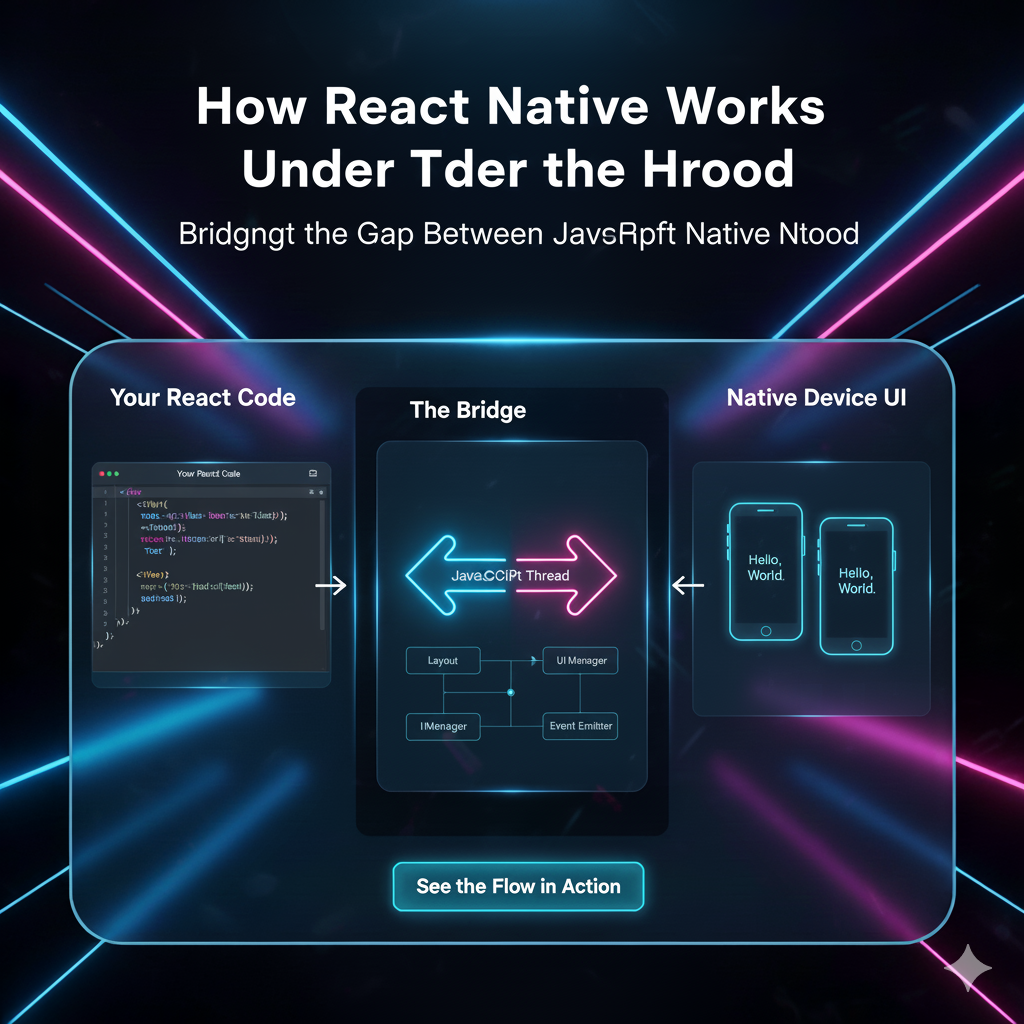
To build a native mobile experience, React Native is a popular cross-platform choice. One detailed 4-hour tutorial guides you through building an "epic" clone using React Native, Expo routing, and Clerk for authentication, complete with sign-in via Apple/Google. For Android purists, you can build a native app with Jetpack Compose. Stream’s blog provides an in-depth guide on using Compose with their Chat SDK, detailing app architecture, theming, and modularization strategies.
3. The Fast-Track: AI-Assisted Development
If you want to prototype at lightning speed, consider AI-assisted tools. One tutorial demonstrates building a functional WhatsApp-style app in just minutes using Cursor AI and the CometChat SDK with Next.js, generating much of the UI and authentication code through prompts.
Breaking Down the Build: Key Features & How to Implement Them
Let's get practical. Here are the core components of WhatsApp's UI and how to think about building them.
1. The Foundation: Responsive Layout & Theming
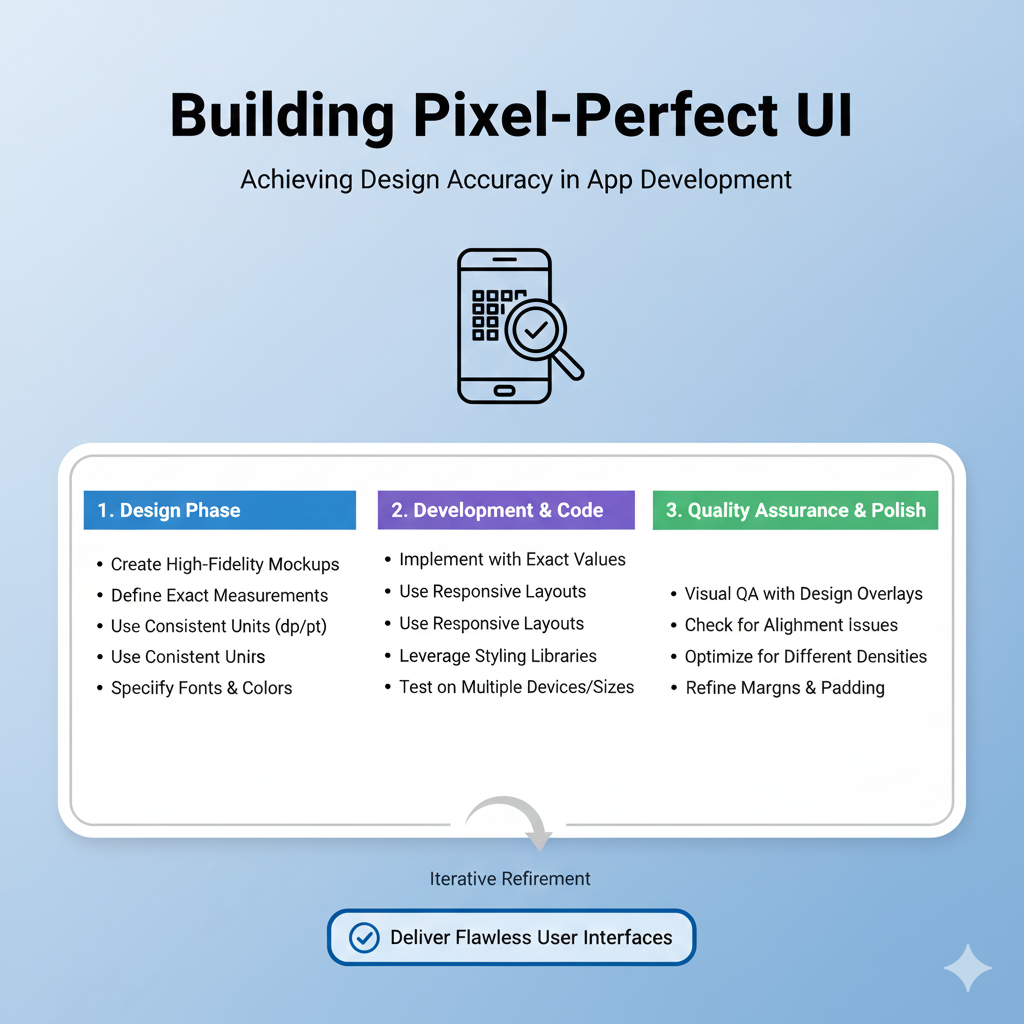
WhatsApp works seamlessly on mobile, tablet, and desktop. Your first job is to create a responsive layout that adapts. The core structure typically involves a sidebar for contacts and a main chat window. Using CSS Flexbox or Grid (or their framework equivalents like Tailwind) is essential.
Don't forget dark mode—it's a user expectation. Implement a theme switcher that toggles between light and dark color schemes, just like the original app. For a professional touch, define your color schemes centrally, as seen in the Jetpack Compose example which uses lightColorScheme and darkColorScheme methods for consistent theming.
2. The Chat Engine: Lists, Bubbles & Real-Time Feel
The chat list and message bubbles are the heart of the app.
Dynamic Lists: Render your list of chats and messages dynamically from a data source (initially mock data, later from an API). Each chat item should display the contact name, last message preview, timestamp, and unread count.
Message Bubbles: Style sent and received messages differently. Add subtle details like read receipts (double checkmarks) and message status (sent, delivered, received).
Real-Time Indicators: To mimic a live feel, implement a "typing..." indicator that appears when you simulate another user typing. This is often managed with state or context.
3. Leveling Up: Advanced UI Interactions
To really impress, add these polished features:
Message Reactions: Allow users to add emoji reactions to messages, complete with smooth animations.
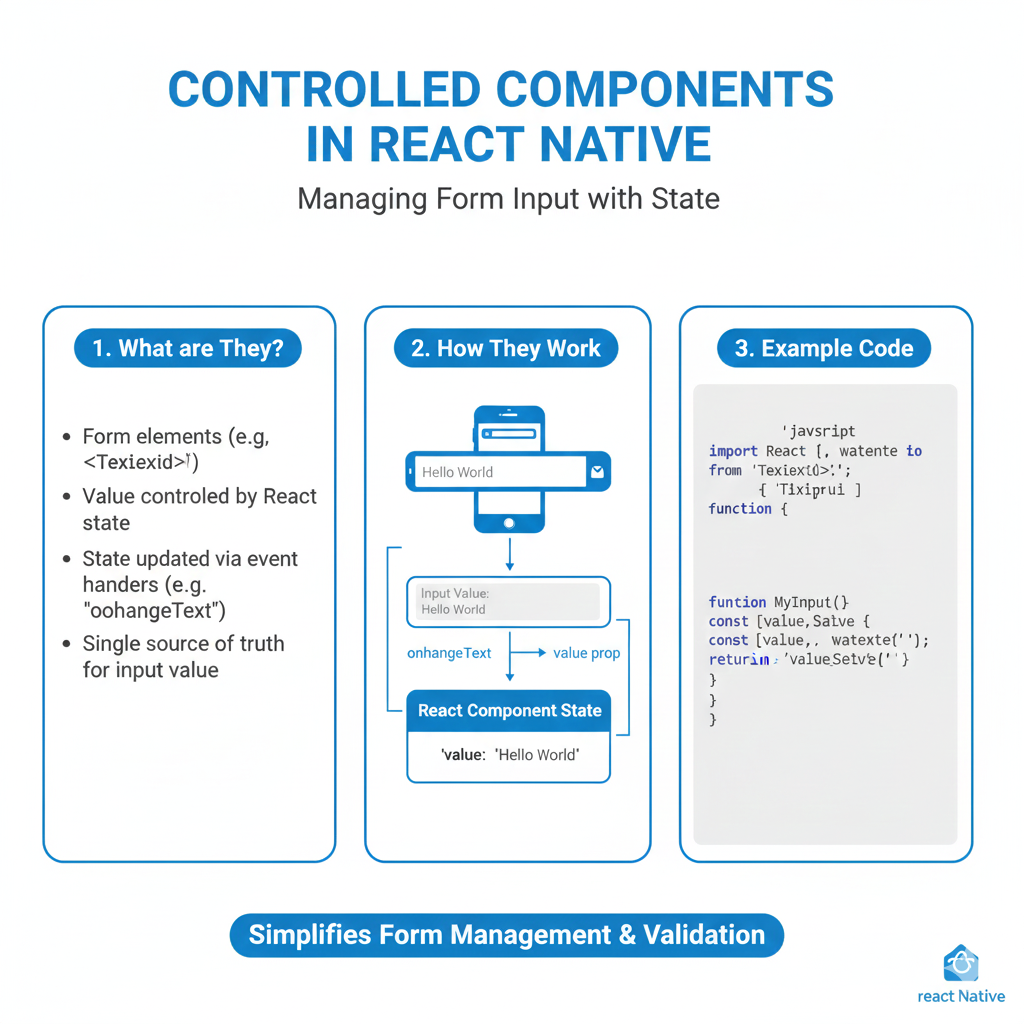
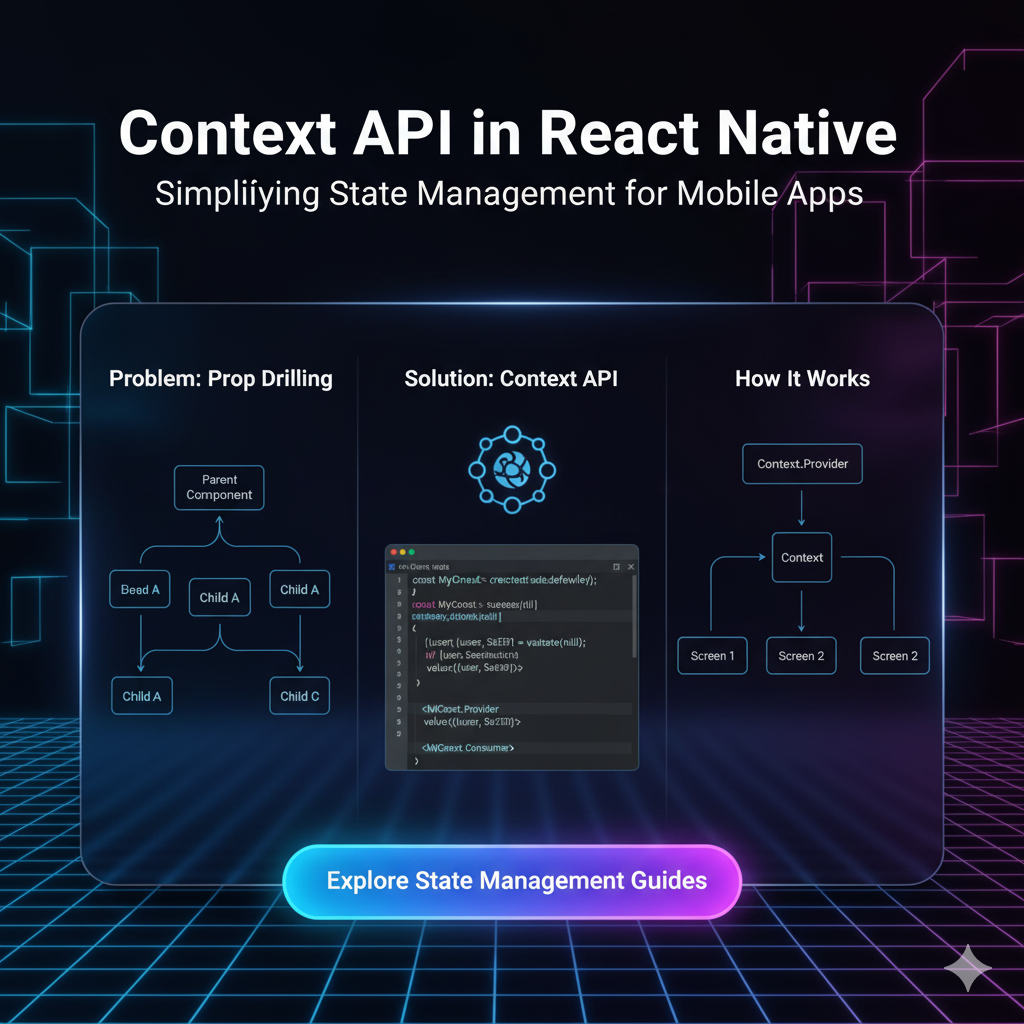
State Management: As your app grows, use React Context or state management libraries to handle the global state for chats, contacts, and user profiles cleanly.
Performance: For very long chat histories, plan for performance. One developer mentioned future plans to use the IntersectionObserver API to enable lazy loading of older messages.
Architecture & Best Practices: Building to Last
A great UI is more than pixels; it's built on solid foundations.
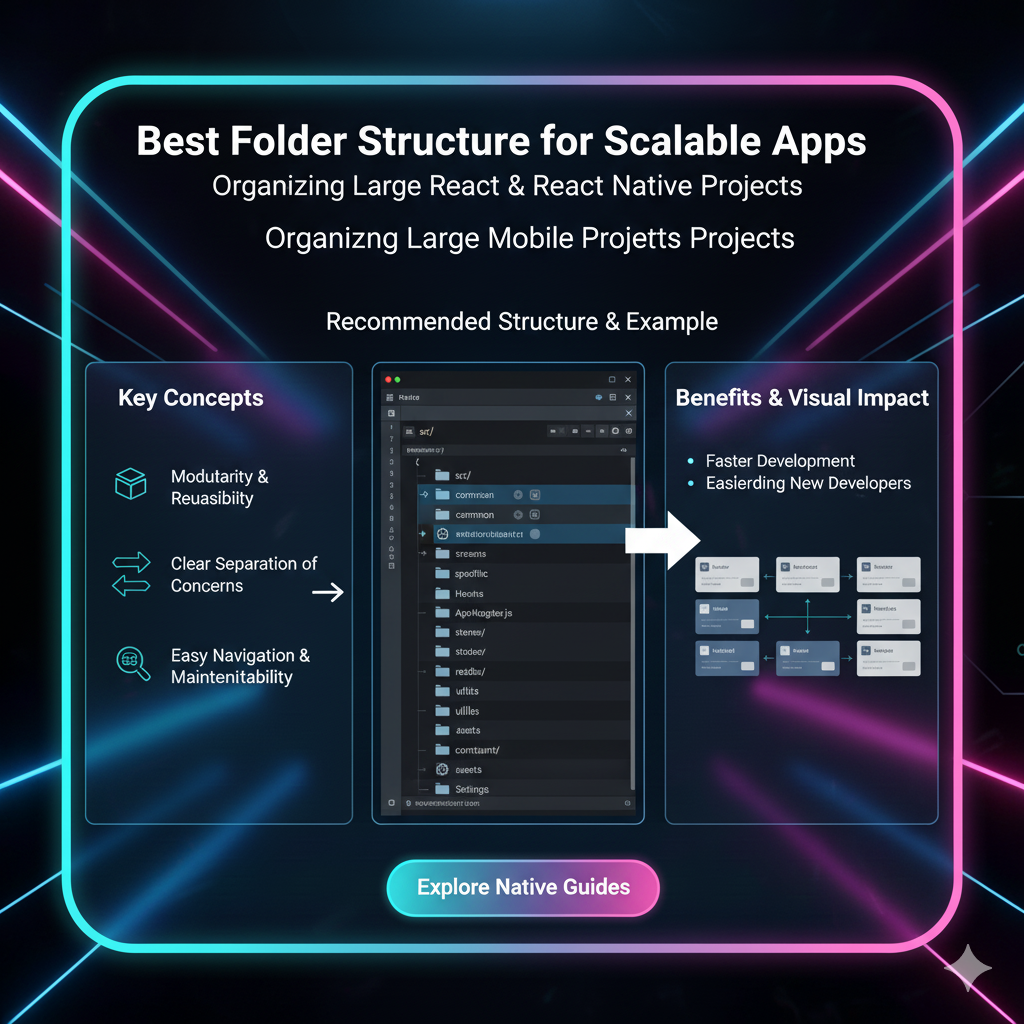
Adopt a Clean Architecture: Structure your code into layers. The Android Compose clone, for example, follows Google's guide with a distinct UI Layer (Composables, ViewModels) and a Data Layer (repositories, data sources). This promotes separation of concerns and testability.
Modularize Your Code: As your project grows, break it into modules. This improves reusability, allows parallel building, and lets teams focus on specific features.
Plan for the Backend: Start with mock data, but design your frontend to be backend-agnostic. This makes it easy to later connect to a real backend service like Firebase, Supabase, Node.js, or a Rust API. Use SDKs (like Stream or CometChat) to handle the heavy lifting of real-time communication if you don't want to build your own WebSocket infrastructure.
Ready to move from following tutorials to architecting your own professional applications? To learn professional software development courses that cover these architectural patterns, from Python Programming and Full Stack Development to the MERN Stack, visit and enroll today at codercrafter.in.
FAQs: Your Questions, Answered
Do I need to be an expert to start?
Not at all! Start with a static UI clone using HTML and CSS. Then, gradually add interactivity with JavaScript, and finally connect it to a backend. Tutorials exist for all skill levels.
Is it legal to build and publish a WhatsApp clone?
Building a clone for learning purposes or your portfolio is perfectly legal. However, publishing it as a competing app on official stores using WhatsApp's branding or logos would likely infringe on trademarks. Always focus on the learning aspect.
How long will it take?
It depends on the scope. A basic static UI can take a weekend. A fully interactive frontend with mock data might take a few weeks. Adding a complete, secure real-time backend is a significant project that could take months. There's even a comprehensive 4-hour video tutorial for a mobile React Native version to get you started quickly.
What's the biggest challenge?
Most developers agree that managing real-time state synchronization is the toughest part. Keeping messages, delivery statuses, typing indicators, and user presence in sync across clients requires careful planning and robust tools.
Conclusion: Your Journey Starts with a Single Message Bubble
Building a WhatsApp UI clone is more than a coding exercise—it's a journey through the core concepts of modern application development. You'll grapple with design systems, state management, component architecture, and real-time data flow.
Start simple. Get a green bubble and a grey bubble on the screen. Make them appear in a list. Add a fake typing indicator. Each small win builds your confidence and skills. The final result is a showcase project that proves you can think about both user interface and application logic.
So, open your code editor, pick your framework, and start building. Your future as a skilled developer is just a git commit away.