Build a TikTok UI Clone: A Step-by-Step SwiftUI Guide for Developers

Want to build an app like TikTok? Learn how to clone TikTok's addictive UI with SwiftUI. Our guide covers video loops, overlay design, feed creation, and best practices.
Ever find yourself scrolling through TikTok, watching one short video after another, and wonder, "How does this app keep me hooked for hours?" Or maybe you've had a killer app idea and thought, "I wish I could build something like this!" Well, you're not alone. TikTok's success has sparked a wave of inspiration among developers and entrepreneurs globally.
Creating a clone isn't just about copying; it's a fantastic learning project to understand modern app architecture, video processing, and what makes a user interface (UI) truly addictive. This guide will walk you through building your own TikTok-style app UI—from the core concepts to the code. It’s a challenging but incredibly rewarding project that can level up your development skills.
Why Clone TikTok's UI? More Than Just a Copy-Paste Job
First things first: cloning a UI for learning is both legal and ethical. The goal isn't to steal or publish a copycat app, but to reverse-engineer and understand the design principles and technical decisions behind a successful product. This practice helps you nail down industry trends, experiment with new tools, and speed up your own prototyping in the future.
By the end of this project, you'll gain hands-on experience with:
Advanced Video Handling: Learn to manage video playback, looping, and overlays.
Immersive UI/UX Design: Master creating a full-screen, gesture-driven interface.
Component Architecture: Structure your app with reusable, clean components.
The Magic Behind the Screen: Deconstructing TikTok's Design
Before you write a single line of code, you need to understand what you're building. TikTok's interface is deceptively simple. Its genius lies in a minimalist design that removes all friction.
The Endless Vertical Feed: The core experience is a full-screen video that takes over your phone. Navigation is primarily through vertical swipes to move to the next video. This creates a seamless, endless content stream.
Strategic Overlay UI: All interactive elements—like, comment, share, profile—are overlaid on the video itself. They're subtle, use icons over text, and are placed on the edges to avoid blocking the content.
The Bottom Navigation Bar: A simple bar with icons for Home, Friends, Create (+), Inbox, and Profile provides access to the app's other core areas.
This design prioritizes content consumption above all else, making it incredibly "sticky." Your clone should strive for the same immersive feel.
Building the Core: A SwiftUI Implementation Guide
For this tutorial, we'll focus on a front-end clone using SwiftUI, which is perfect for building declarative and reactive iOS interfaces. This approach will help you create a functional prototype that looks and feels like TikTok.
Step 1: Setting Up Your Project
Start a new iOS project in Xcode and select SwiftUI for the interface. Remember, since we'll be accessing the camera and microphone for a full clone experience, you need to add key privacy settings. Navigate to your project's Info.plist file and add:
Privacy - Camera Usage DescriptionPrivacy - Microphone Usage Description
Provide a short description for each (e.g., "To record videos for posts"). This ensures your app asks the user for permission.
Step 2: Creating the Looping Video Feed
The heart of TikTok is the auto-playing, looping video. Here’s a simplified SwiftUI view to achieve that with a local video file.
swift
import SwiftUI
import AVKit

struct TikTokVideoPlayer: View {
    let videoURL: URL // Your video asset URL
    @State private var player = AVPlayer()

    var body: some View {
        VideoPlayer(player: player)
            .scaledToFill()
            .ignoresSafeArea()
            .onAppear {
                player = AVPlayer(url: videoURL)
                player.play()
                // Enable looping
                NotificationCenter.default.addObserver(forName: .AVPlayerItemDidPlayToEndTime,
                                                       object: player.currentItem,
                                                       queue: .main) { _ in
                    player.seek(to: .zero)
                    player.play()
                }
            }
    }
}
This code creates a full-screen video player that automatically loops, mimicking the core "For You" page behavior.
Step 3: Designing the Overlay Interaction UI
Next, let's build the iconic side buttons that appear over the video. This includes the profile picture, like, comment, and share buttons.
swift
struct VideoOverlaySidebar: View {
    var profileImage: String
    var likeCount: String
    var commentCount: String

    var body: some View {
        VStack(spacing: 25) {
            // Profile Button
            Button(action: {}) {
                Image(profileImage)
                    .resizable()
                    .frame(width: 50, height: 50)
                    .clipShape(Circle())
                    .overlay(Circle().stroke(Color.white, lineWidth: 2))
            }

            // Like Button
            ActionButton(icon: "heart.fill", count: likeCount)

            // Comment Button
            ActionButton(icon: "message.fill", count: commentCount)

            // Share Button
            Button(action: {}) {
                Image(systemName: "square.and.arrow.up.fill")
                    .font(.title)
                    .foregroundColor(.white)
            }
            Spacer()
        }
        .padding(.trailing, 10)
    }
}

struct ActionButton: View {
    let icon: String
    let count: String
    var body: some View {
        VStack {
            Image(systemName: icon)
                .font(.title)
            Text(count)
                .font(.caption)
        }
        .foregroundColor(.white)
    }
}
You would position this VideoOverlaySidebar view on top of your TikTokVideoPlayer using a ZStack, aligning it to the trailing edge.
Step 4: Assembling the Main Feed with TabView
To create the swipeable feed where users can flick between videos, SwiftUI's TabView with a .tabViewStyle(.page) is an excellent stand-in for a more complex scroll view.
swift
struct MainFeedView: View {
    // This would be an array of your video data models
    let videoItems: [VideoItem]

    var body: some View {
        TabView {
            ForEach(videoItems) { item in
                ZStack {
                    TikTokVideoPlayer(videoURL: item.url)
                    // Overlay for video creator info at the bottom
                    VideoInfoOverlay(video: item)
                    // Interactive buttons on the side
                    VideoOverlaySidebar(profileImage: item.creator.profilePic,
                                        likeCount: item.likeCount,
                                        commentCount: item.commentCount)
                }
            }
        }
        .tabViewStyle(.page(indexDisplayMode: .never)) // Hides the page dots
        .ignoresSafeArea()
    }
}
This creates a horizontally paging feed where each video is a full-screen experience with interactive overlays.
Step 5: Crafting the Bottom Navigation Bar
Finally, replicate the standard navigation with a custom toolbar.
swift
.toolbar {
    ToolbarItemGroup(placement: .bottomBar) {
        // Home Button
        Button(action: {}) { Label("Home", systemImage: "house.fill") }
        Spacer()
        // Friends/Discover Button
        Button(action: {}) { Label("Friends", systemImage: "person.2") }
        Spacer()
        // Central Create Button (often styled differently)
        Button(action: {}) {
            Image(systemName: "plus.rectangle.fill")
                .font(.title2)
                .padding(6)
                .background(LinearGradient(colors: [.pink, .purple], startPoint: .leading, endPoint: .trailing))
                .cornerRadius(8)
                .foregroundColor(.white)
        }
        Spacer()
        // Inbox Button
        Button(action: {}) { Label("Inbox", systemImage: "tray") }
        Spacer()
        // Profile Button
        Button(action: {}) { Label("Profile", systemImage: "person.circle") }
    }
}
Key Considerations & Best Practices
Building a UI clone is one thing, but making it feel right involves attention to detail:
Performance is King: Video apps are resource-intensive. Use efficient video compression (like H.264) and implement lazy loading so you're not buffering 100 videos at once. Pre-load the next video in the feed for a seamless swipe.
Gestures Matter: While our example uses a
TabView, a production app needs a custom implementation for smooth, interruptible vertical scrolling. This is more advanced but crucial for the authentic feel.Think About the Backend (The Invisible Engine): A real app needs a robust backend. This typically involves:
Microservices Architecture: Separate services for user profiles, video feeds, interactions (likes/comments), and notifications.
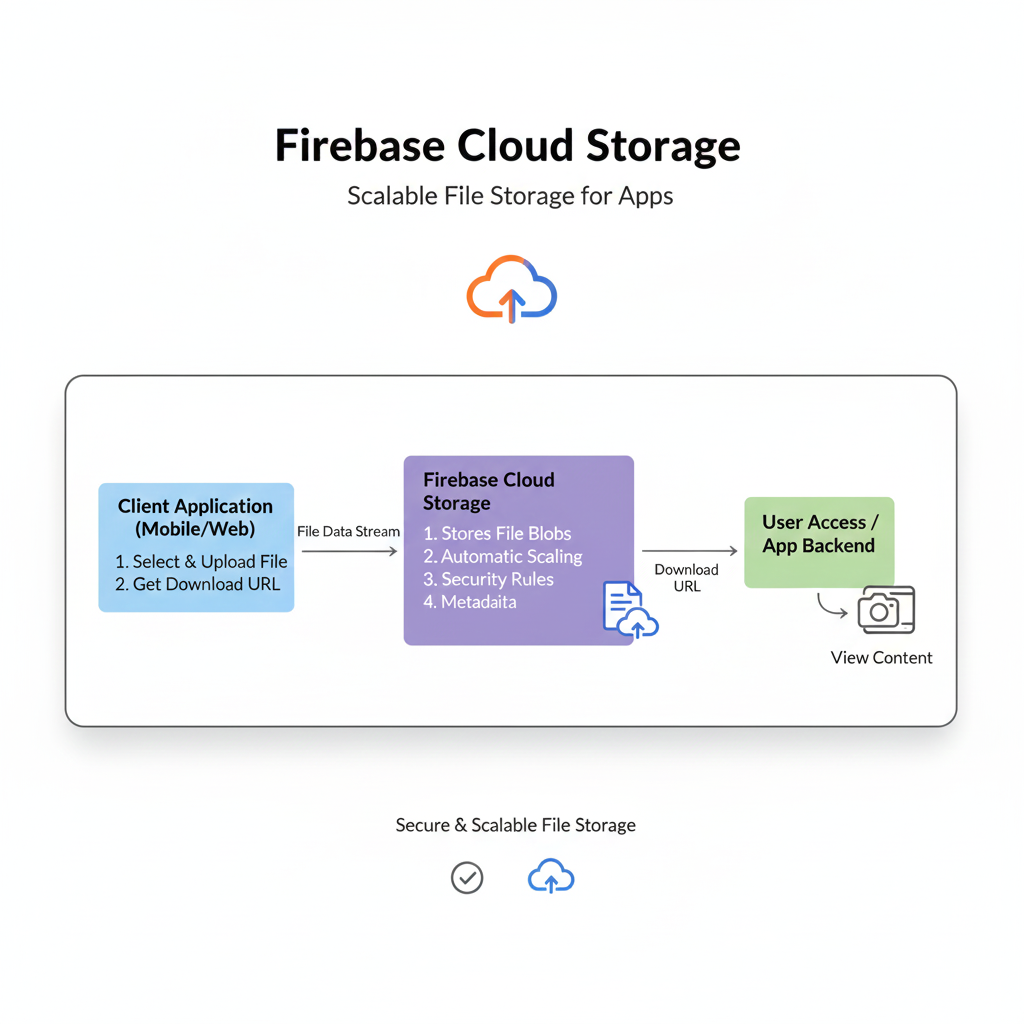
Powerful Database: Use a mix like PostgreSQL for relational data (users, comments) and a scalable solution like Amazon S3 for storing millions of video files.
Content Delivery Network (CDN): To serve videos fast across the globe, you'd integrate a CDN.
Ready to move beyond the UI and learn how to architect the full system? This project touches the front-end surface. To learn professional software development courses that dive deep into backend engineering, full-stack systems, and building scalable applications like this from the ground up, visit and enroll today at codercrafter.in. We offer structured learning paths in Python Programming, Full Stack Development, and the MERN Stack to turn you from a curious coder into a job-ready developer.
Frequently Asked Questions (FAQs)
Q1: Is it legal to clone TikTok's design for my own app?
You can use it as inspiration, but directly copying the exact design, logos, and assets for a commercial app is illegal and considered copyright infringement. The practice is legal and encouraged for personal learning and skill development.
Q2: What's the hardest part of building a TikTok clone?
The two biggest challenges are:
The Recommendation Algorithm: TikTok's "For You" page is powered by complex AI that analyzes user behavior. Even a basic version requires sophisticated machine learning models.
Scalable Infrastructure: Handling millions of video uploads, processes, and streams requires a robust cloud architecture and CDN, which is complex and costly to build.
Q3: Can I build a TikTok clone by myself?
You can build a front-end prototype or MVP by yourself, as we've shown. However, a full-fledged app with a backend, database, and user accounts requires a team with diverse skills in mobile development, backend engineering, DevOps, and potentially machine learning.
Q4: How long does it take to build a basic clone?
A basic UI prototype like the one outlined here can be built in a few days to a week. A functional Minimum Viable Product (MVP) with user accounts, video uploads, and a simple feed can take a small team 3 to 6 months. A full-featured, scalable application easily takes a year or more.
Conclusion: Your Journey Starts with a Single Clone
Building a TikTok UI clone is more than a weekend project; it's a deep dive into modern app development. You'll confront real-world problems like video optimization, gesture handling, and creating an engaging UI. Start with the front-end, get your prototype working, and then gradually explore the backend challenges.
Remember, the goal isn't to make a perfect copy. It's to learn the principles. Analyze why TikTok places a button where it does, how it manages state, and how it keeps performance smooth. Use that knowledge to fuel your own original ideas. The skills you gain from this exercise—in SwiftUI, video handling, and UI/UX design—are directly transferable to any app you dream of building next.