Become a React Native Developer in 2025: Complete Step-by-Step Roadmap
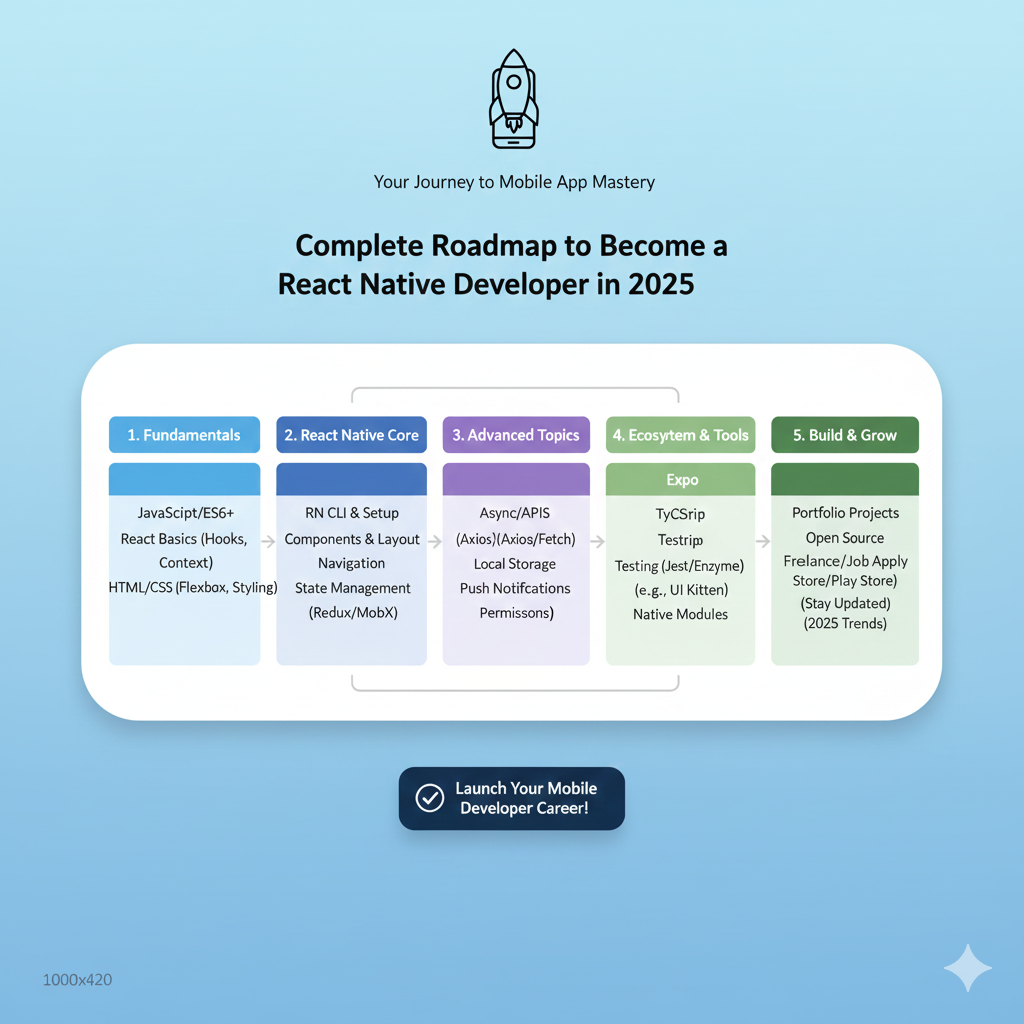
Master mobile app development with our complete React Native roadmap for 2025. Learn fundamentals, best practices, advanced topics, and how to build a career. Start your journey today.
Become a React Native Developer in 2025: Complete Step-by-Step Roadmap
Your 2025 Roadmap to Becoming a React Native Developer: From Beginner to Pro
So, you’ve decided you want to build mobile apps. You’re tired of hearing “we need one for iOS and another for Android,” and you want a smarter way. Enter React Native—the framework that lets you build truly native mobile apps for iOS and Android using a single JavaScript codebase. If you're aiming to become a sought-after developer in 2025, you're in the right place. This roadmap cuts through the noise and gives you a clear, step-by-step guide to mastering React Native this year.
What Exactly is React Native, and Why Should You Care?
In simple terms, React Native lets you write your app's logic and UI in JavaScript, which then renders using real, native platform components. This isn't a web app wrapped in a container; it's an app that feels and performs like it was built natively for each platform.
Why is this a game-changer? Look at the apps on your phone. Giants like Facebook, Instagram, Microsoft, Shopify, and Walmart use React Native in their production apps. Facebook Ads Manager was one of the first fully React Native cross-platform apps. When Walmart rewrote their app with React Native, they shared 95% of the code between iOS and Android, boosting performance and developer efficiency.
The advantage is clear: faster development, a single team managing both platforms, and a consistent user experience. For your career, it means being able to build for the entire mobile market with one powerful skill set.
Your 2025 Learning Roadmap: A Step-by-Step Guide
The path to becoming a React Native developer is structured. Don't jump straight into native modules; build a strong foundation first.
Phase 1: The Non-Negotiable Foundation (Weeks 1-4)
You can't build a house on sand. Before touching React Native, you must understand what it's built upon.
JavaScript & TypeScript: You need solid modern JavaScript (ES6+ features like
import/export, arrow functions, destructuring). In 2025, TypeScript is the default. It catches errors early and makes large codebases manageable. Consider this a must-learn.React Fundamentals: React Native runs on React. Grasp these core concepts thoroughly:
Components & JSX: Understand how to build UI with functional components and the JSX syntax that looks like HTML but creates native views.
Props: Data passed from parent to child components.
State: A component's internal, changeable data, managed with the
useStateHook.Hooks: Especially
useState,useEffect, anduseContext. They are essential for functionality in functional components.
To build a rock-solid foundation in these core web technologies, structured learning is key. Codercrafter.in offers professional software development courses, such as Python Programming and Full Stack Development, which provide the perfect gateway to understanding programming logic and web fundamentals before diving into the mobile-specific world of React Native.
Phase 2: Diving into React Native Core (Weeks 5-8)
Now, start applying React concepts to mobile.
Core Components & APIs: Replace HTML tags (
div,p) with React Native's building blocks:View,Text,Image,ScrollView,TextInput, andTouchableOpacity/Pressable.Styling & Layout: Forget CSS files. You style using JavaScript objects with
StyleSheet.create. The layout uses Flexbox, which is central to creating responsive UIs in React Native. MasterflexDirection,justifyContent, andalignItems.Navigation: Users move between screens. Learn React Navigation, the industry-standard library. Start with a Stack Navigator and then explore Tab and Drawer navigators.
Data Handling: Learn to fetch data from APIs using
fetchoraxiosinsideuseEffect. Understand how to store data locally using modern solutions like@react-native-async-storage/async-storage.
Phase 3: Building Production-Ready Skills (Weeks 9-14)
This is what separates juniors from mid-level developers.
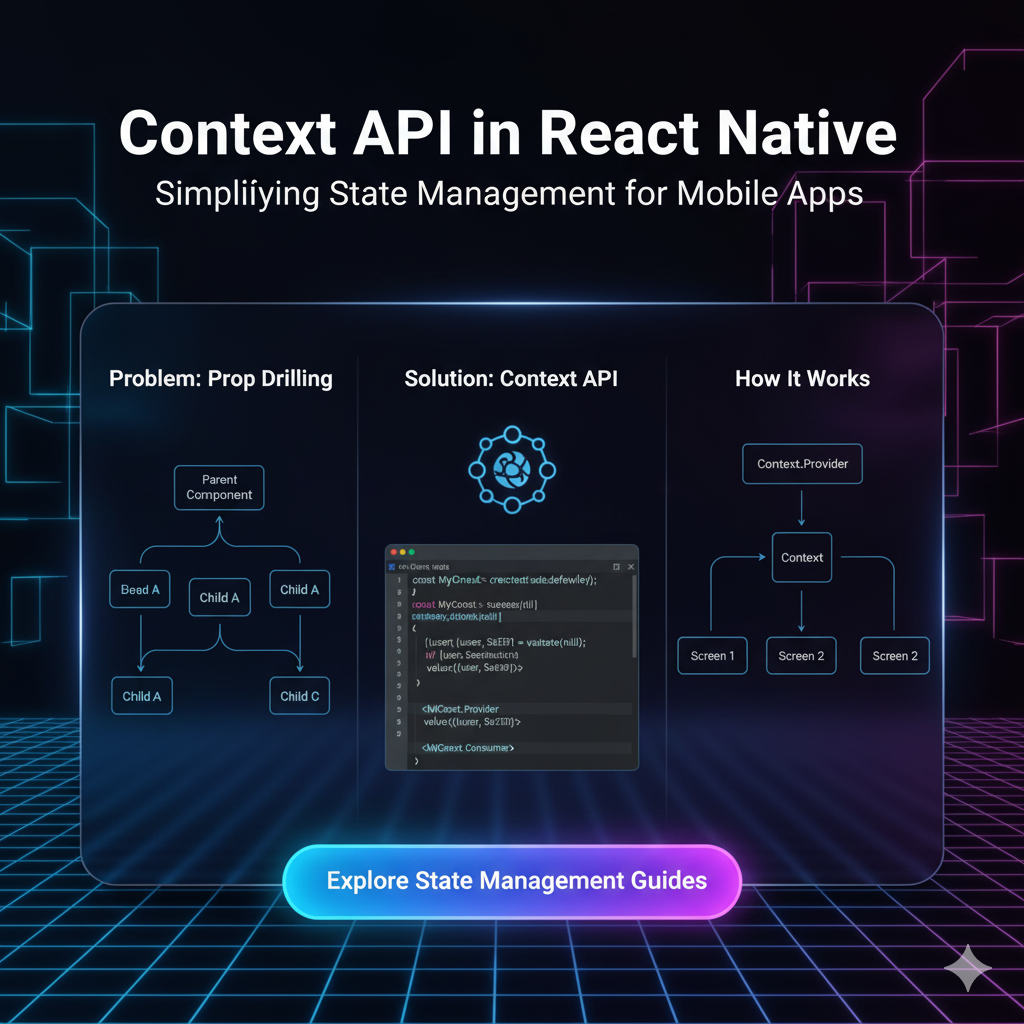
State Management: For complex apps, local state (
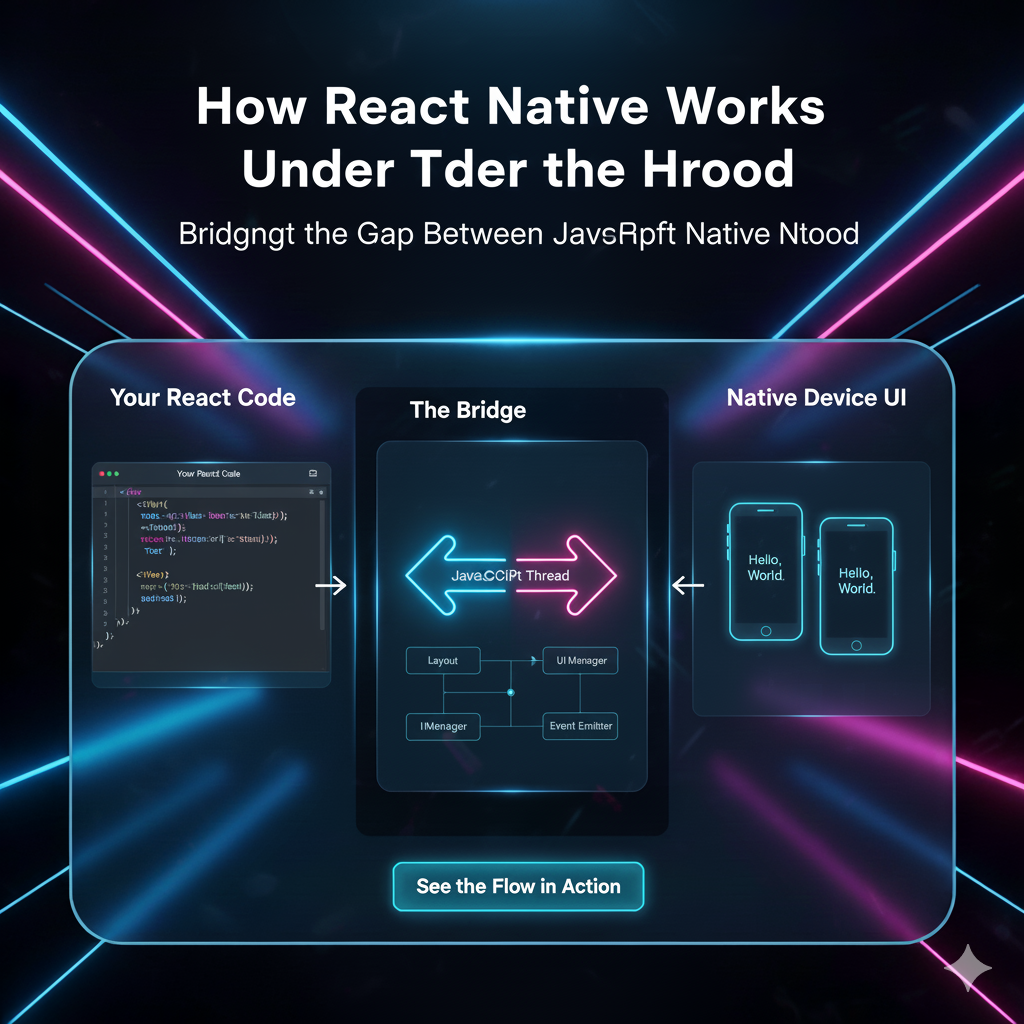
useState) isn't enough. Learn React Context for simpler global needs and Redux Toolkit (the modern, recommended way) or Zustand for more complex state logic.The New Architecture: For 2025, this is critical. React Native's new architecture (Fabric, TurboModules, JSI) is becoming the default for better performance. Understand its concepts, even if you don't implement it from day one.
Essential Tooling:
Debugging: Become proficient with Flipper (Meta's official debugging tool) and React DevTools.
Performance: Know how to optimize lists using
FlatListoverScrollView, useuseMemo/useCallbackto prevent unnecessary re-renders, and profile your app.TypeScript Integration: Configure it in your project and use it to define types for props, state, and API responses.
Phase 4: Advanced Topics & Specialization (Ongoing)
Native Modules: Learn how to write custom native code (Java/Kotlin, Objective-C/Swift) to access platform-specific APIs not exposed by React Native.
Animations: Create smooth UI interactions using the Reanimated 3 library, which is far more powerful than the basic
AnimatedAPI.Testing: Write unit tests with Jest and component tests with React Native Testing Library. For end-to-end testing, explore Maestro or Detox.
DevOps & Deployment: Understand CI/CD pipelines for mobile, manage app signing, and learn the process of deploying to the Apple App Store and Google Play Store.
Real-World Best Practices for Your Code
Following a roadmap is one thing; writing clean, maintainable code is another. Here are key practices for 2025:
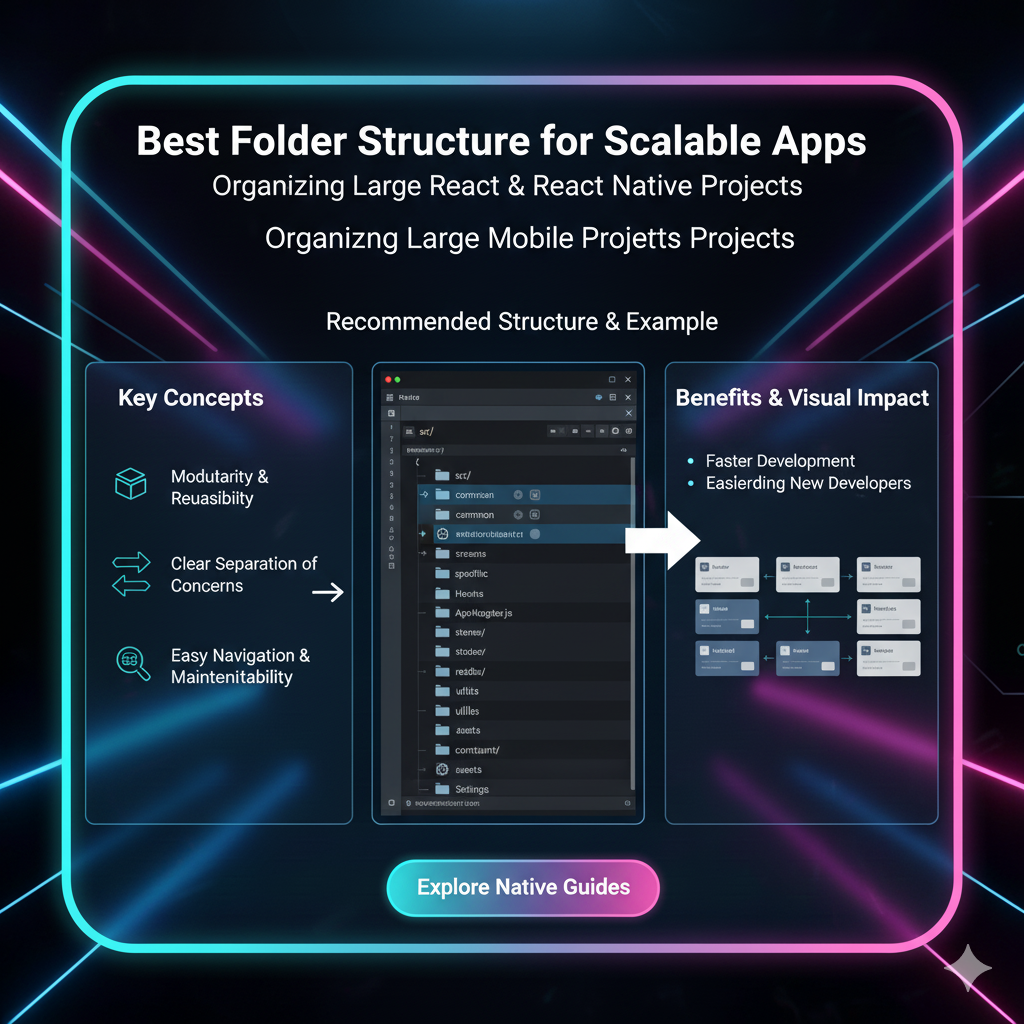
Project Structure: Organize your code by features or domains, not just by type. A clear structure is vital for scalability.
text
src/
├── features/
│   ├── auth/
│   ├── profile/
│   └── dashboard/
├── components/ (shared UI)
├── utils/
└── services/
Styling Strategy: Avoid inline styles. Use
StyleSheet.createor consider popular libraries like NativeWind for a Tailwind CSS-like experience, but keep it consistent.Security: Never store sensitive tokens or keys in
AsyncStorage. Use secure storage libraries like react-native-keychain or expo-secure-store.
Building a complex, scalable application requires understanding how the frontend and backend work in concert. To truly excel as a React Native developer and be able to architect full solutions, consider deepening your backend knowledge. Codercrafter.in offers a comprehensive MERN Stack course, teaching you MongoDB, Express.js, React, and Node.js, equipping you with the full-stack skills needed to build and understand complete applications from the ground up.
React Native FAQ: Your Quick Questions Answered
Q: What's the main difference between React and React Native?
A: React (or ReactJS) is for building web interfaces that render in a browser. React Native is for building mobile apps that render to native iOS and Android UI components. They share the same core principles but different target platforms.
Q: Is React Native being deprecated? Should I learn Flutter instead?
A: No, it's not being deprecated. In fact, with the New Architecture rollout and backing from Meta and a massive community (it's the 6th most-starred project on GitHub), it's stronger than ever. The choice between React Native and Flutter depends on your team's existing skills (JavaScript vs. Dart) and project needs. Both are excellent, viable choices in 2025.
Q: Can I get a job with just React Native skills?
A: While possible, it's highly recommended to have a strong foundation in core JavaScript/TypeScript and React first. Most job descriptions look for "React Native" as a specialization on top of fundamental web development skills.
Conclusion: Your Journey Starts Now
The path to becoming a React Native developer in 2025 is exciting and well-defined. The ecosystem is mature, performance is better than ever with the New Architecture, and the demand for developers who can build for multiple platforms efficiently remains high.
Start with the fundamentals. Build small, practical projects—a todo app, a weather app, a simple social media feed. Contribute to open source, and build a portfolio. The companies from Facebook to Shopify prove what's possible with this technology. Now it's your turn to build the next great app.
The world of mobile development is waiting. Pick a step from the roadmap, and start coding today.