Supabase with React Native: Build Full-Stack Mobile Apps Faster (2025 Guide)
Step-by-step guide to building React Native apps with Supabase backend. Learn real-time features, authentication, file storage, and best practices with code examples.
Alright, let's cut through the noise. You're a developer, you've got this brilliant app idea, and you're tired of the backend headache. Setting up servers, managing databases, wrestling with authentication… it’s exhausting before you even write your first line of frontend code. What if I told you there's a way to build a full-stack, production-ready mobile app with a backend that feels like magic?
Enter Supabase – the open-source Firebase alternative we've all been waiting for. And when you pair it with React Native, you get a powerhouse combo for building cross-platform mobile apps at lightning speed. Let's break down exactly how this duo works, why it's a game-changer, and how you can start using it today.
What's the Deal with Supabase, Anyway?
In simple terms, Supabase is a backend-as-a-service (BaaS) platform. Think of it as your entire backend, served on a silver platter. It gives you:
A PostgreSQL database (the most loved relational database) that's real-time by default.
Instant APIs – auto-generated REST and GraphQL endpoints for your database.
Authentication – full user sign-up, login, OAuth, and magic links out of the box.
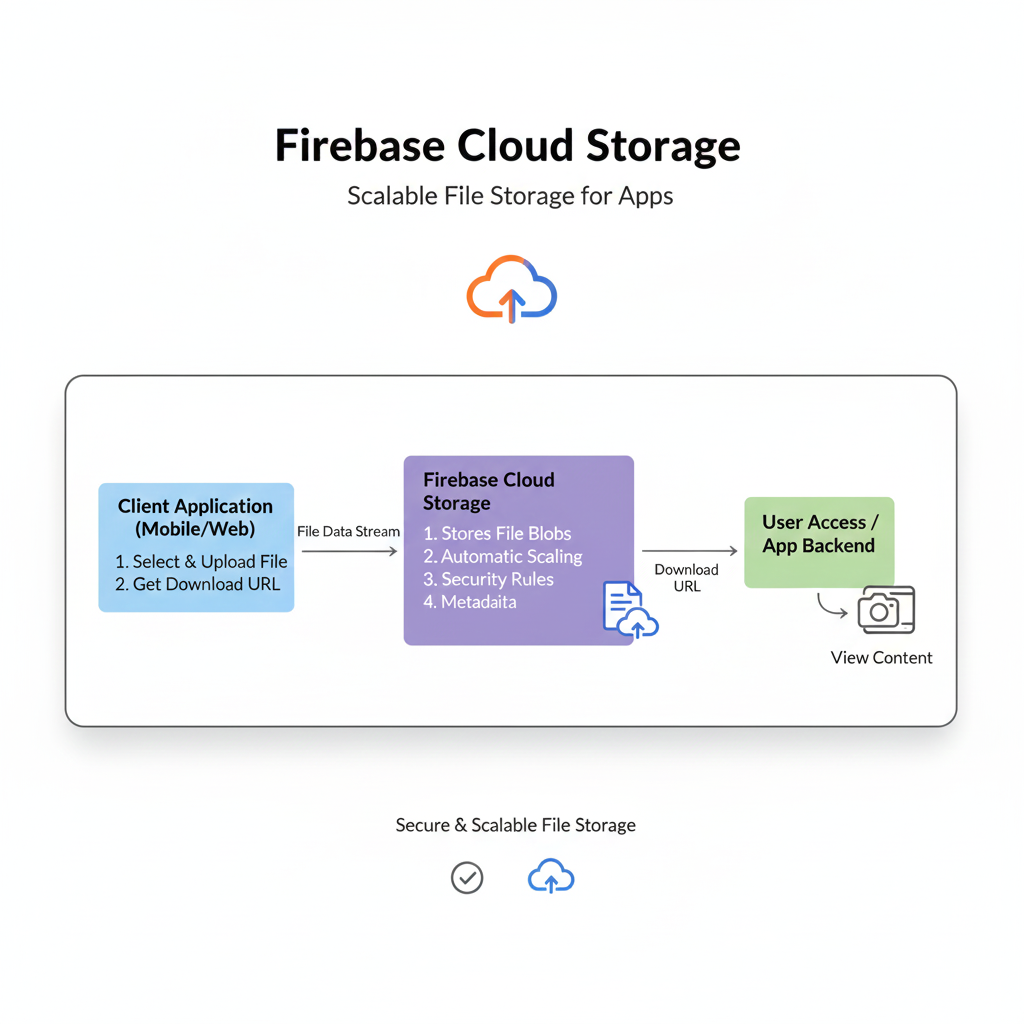
File storage – like an S3 bucket, but way simpler.
Edge Functions – serverless functions to run custom logic.
The best part? It's open source. You're not locked into a proprietary black box. You can self-host it if you want, or use their managed cloud (which has a generous free tier perfect for getting started).
Why React Native Loves Supabase
React Native is all about building native mobile apps using JavaScript and React. It's fast, it's mature, and it lets you target iOS and Android with one codebase. But the big question has always been: "What about the backend?"
Traditional backend setup for React Native involves a ton of moving parts: a server, a database, an API layer, authentication servers, file storage… the list goes on. Supabase collapses all of that into a single, elegant service that speaks directly to your React Native app.
Here’s the kicker: Supabase is just PostgreSQL. That means you're using a powerful, relational database with proper joins, transactions, and integrity. No more NoSQL document juggling unless you want to. It’s the structure and power developers crave, with the simplicity of a BaaS.
Setting Up: Your First Supabase + React Native Project
Enough theory. Let's get our hands dirty. We'll build a simple "Idea Board" app where users can post and upvote ideas.
Step 1: Create Your Supabase Project
Head to supabase.com and sign up (GitHub login is your friend).
Click "New Project."
Give it a name (e.g.,
idea-board-mobile), set a database password, and choose a region close to your users.Wait a minute while Supabase spins up your new backend. Seriously, it's that fast.
Once done, you'll land on your project dashboard. Grab your Project URL and anon public key from the API settings section. You'll need these in your app.
Step 2: Bootstrap Your React Native App
bash
npx react-native init IdeaBoardApp --template react-native-template-typescript
cd IdeaBoardApp
Step 3: Install Supabase
bash
npm install @supabase/supabase-js
npm install react-native-async-storage/async-storage
npm install react-native-url-polyfill
For iOS, install pods:
bash
cd ios && pod installStep 4: Initialize Supabase Client
Create a file lib/supabase.ts:
typescript
import 'react-native-url-polyfill/auto';
import AsyncStorage from '@react-native-async-storage/async-storage';
import { createClient } from '@supabase/supabase-js';

const supabaseUrl = 'YOUR_PROJECT_URL';
const supabaseAnonKey = 'YOUR_ANON_KEY';

export const supabase = createClient(supabaseUrl, supabaseAnonKey, {
  auth: {
    storage: AsyncStorage,
    autoRefreshToken: true,
    persistSession: true,
    detectSessionInUrl: false,
  },
});
Pro Tip: Never hardcode your keys in production! Use environment variables with react-native-config.
Building Core Features: The Fun Part
Real-Time Subscriptions: The Magic Sauce
Want live updates when someone posts a new idea? This is where Supabase shines.
typescript
import { supabase } from '../lib/supabase';

// Subscribe to new ideas
useEffect(() => {
  const subscription = supabase
    .channel('public:ideas')
    .on('postgres_changes',
      { event: 'INSERT', schema: 'public', table: 'ideas' },
      (payload) => {
        console.log('New idea!', payload.new);
        // Update your UI in real-time
      }
    )
    .subscribe();

  return () => {
    supabase.removeChannel(subscription);
  };
}, []);
That's it. No WebSocket setup, no complex configuration. It just works.
Authentication Made Stupid Simple
User auth is often a week-long project. With Supabase, it's 10 minutes.
typescript
// Sign up
const { data, error } = await supabase.auth.signUp({
  email: 'user@example.com',
  password: 'super-secure-password',
});

// Sign in
const { data, error } = await supabase.auth.signInWithPassword({
  email: 'user@example.com',
  password: 'super-secure-password',
});

// Social logins (yes, really!)
const { data, error } = await supabase.auth.signInWithOAuth({
  provider: 'google', // or 'github', 'apple', etc.
});

// Check current user
const { data: { user } } = await supabase.auth.getUser();
File Uploads for User Content
Let users upload profile pictures or idea attachments:
typescript
const pickImage = async () => {
  // Use expo-image-picker or react-native-image-picker
  const result = await ImagePicker.launchImageLibraryAsync();

  if (!result.canceled) {
    const file = result.assets[0];
    const fileExt = file.uri.split('.').pop();
    const fileName = `${Math.random()}.${fileExt}`;

    // Upload to Supabase Storage
    const { data, error } = await supabase.storage
      .from('user-avatars')
      .upload(fileName, file);

    if (data) {
      // Get public URL
      const url = supabase.storage
        .from('user-avatars')
        .getPublicUrl(data.path);

      // Update user profile
      await supabase
        .from('profiles')
        .update({ avatar_url: url.data.publicUrl })
        .eq('id', user.id);
    }
  }
};
Real-World Use Cases: What Can You Actually Build?
Social Mobile Apps: Think Instagram-like feeds with real-time likes/comments. Supabase handles posts, relationships, notifications, and file storage.
Marketplace Apps: Product listings, user profiles, chat between buyers/sellers, and real-time inventory updates.
Fitness Trackers: User profiles, workout logs, progress tracking, and social features.
Task Managers: Real-time collaboration, file attachments, user assignments with instant updates across devices.
The pattern is clear: if your app needs data, users, and real-time features, Supabase + React Native is probably the fastest way to build it.
Best Practices: Don't Shoot Yourself in the Foot
Use Row Level Security (RLS): This is Supabase's superpower. Never trust your client-side code. Always enable RLS on tables and write policies that control exactly who can access what data.
sql
-- Example: Users can only edit their own profile
CREATE POLICY "Users can update own profile"
ON profiles
FOR UPDATE
USING (auth.uid() = id);
Structure Your Database Well: Plan your tables with proper relationships from day one. Use foreign keys, set up indexes on columns you'll query often.
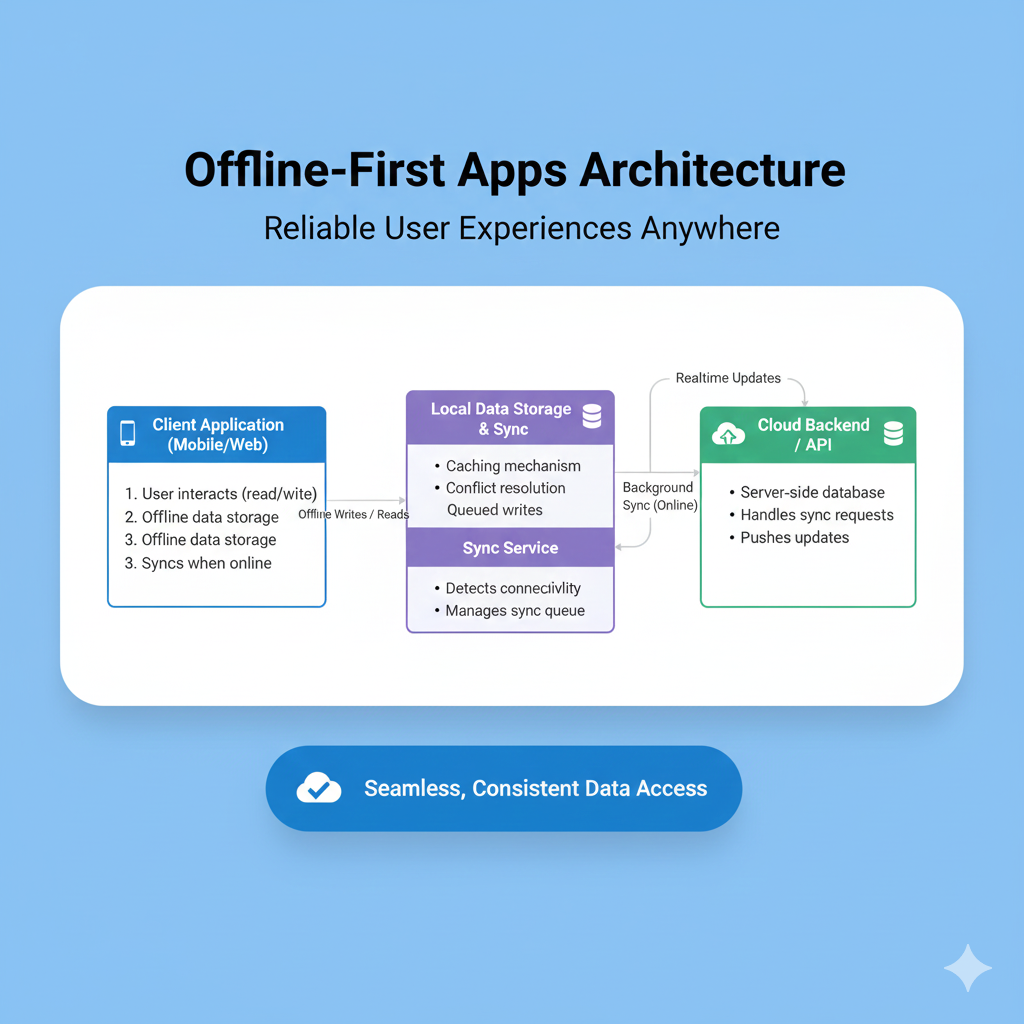
Handle Offline Mode: Mobile apps lose connection. Use AsyncStorage to cache important data and implement optimistic UI updates.
Monitor Performance: Use Supabase's dashboard to see query performance. Look for slow queries and add database indexes as needed.
Secure Your Keys: Again, never hardcode API keys. Use environment variables or a secrets management solution.
Common Gotchas & Solutions
Gotcha 1: "My real-time subscriptions stop working when the app is in background."
Solution: Implement push notifications for critical updates, and refresh data when the app comes to foreground.
Gotcha 2: "Database queries are slow on mobile networks."
Solution: Implement pagination with limit and offset, and only fetch what you need. Supabase's range() method is perfect for this.
Gotcha 3: "I need complex business logic that can't run client-side."
Solution: Use Supabase Edge Functions (serverless functions) for sensitive operations or complex workflows.
FAQs
Q: Is Supabase really free?
A: Yes, with generous limits. The free tier includes 500MB database, 1GB file storage, 50,000 monthly active users, and 2GB bandwidth. Perfect for side projects and MVPs.
Q: Can I migrate away from Supabase if needed?
A: Absolutely! Since it's just PostgreSQL, you can export your entire database at any time. No vendor lock-in.
Q: How does it compare to Firebase?
A: Supabase gives you a relational database (PostgreSQL) vs. Firebase's NoSQL. Many developers find relationships and SQL queries more intuitive than document nesting. Plus, real-time features are built into PostgreSQL, not a separate service.
Q: Is it production-ready?
A: Yes! Companies like BMW, Intel, and Replit use Supabase in production. The platform is mature and actively developed.
Wrapping Up: Your New Favorite Stack
Here's the honest truth: Supabase with React Native fundamentally changes the economics of mobile app development. What used to take weeks of backend work now takes days. What required a team of specialists can now be done by a single full-stack developer.
The combination gives you:
Speed: Go from idea to working prototype in a weekend
Power: All the capabilities of a production backend
Simplicity: An API that feels like it was made for frontend developers
Control: Open source with the ability to self-host
Scalability: Grows from side project to enterprise without changing stacks
Whether you're building your first mobile app or your hundredth, this stack deserves a spot in your toolbox. It's not just another framework—it's a productivity multiplier.
Ready to Build Like a Pro?
The tools are powerful, but knowing how to wield them makes all the difference. To learn professional software development courses such as Python Programming, Full-Stack Development, and the MERN Stack, visit and enroll today at codercrafter.in. Master the skills that turn ideas into applications that millions can use.
Got questions? Building something cool with Supabase and React Native? Share your projects and tag @codercrafterin on Twitter. We'd love to see what you create!